The Rise of Chinese Brands: How 'Made in China' is Transforming Global Markets
For many years, the label 'made in China' often conjured images of low-cost, mass-produced items. But fast forward to today, and the narrative has shifted dramatically. 'Made in China: A New Era of High-Quality Manufacturing and Exports' is a testament to how Chinese products have undergone a remarkable transformation, evolving in quality, craftsmanship, and technology. From smartphones to electric vehicles, Chinese goods are no longer just affordable alternatives; they are setting benchmarks in innovation and reliability.
Take the success story of Huawei, for instance. Once considered a lesser-known telecom company outside of China, it now stands shoulder to shoulder with global giants like Apple and Samsung. This rise is indicative of a larger trend in China manufacturing, where companies are investing heavily in R&D, automation, and skilled labor. According to data from the China trade ministry, Chinese exports of high-tech goods have doubled over the past decade, establishing the country as a leader in sectors like electronics, automotive, and advanced manufacturing.
Consumers across the globe are starting to notice. Have you ever found yourself questioning, 'Can Chinese manufacturers really stand up to their American or European counterparts?' The answer is increasingly turning positive. Stories of durable Chinese-made products in industries ranging from fashion to machinery are becoming common. China businesses have also stepped up their game in terms of customer service and warranty guarantees, attributes that previously were not their strong suit. This shift is reflected in the burgeoning China import sector, where the demand for China-made items is growing exponentially.
But what has fueled this dramatic change? Several factors contribute to this new era of high-quality Chinese commerce. First, the Chinese government has implemented policies that prioritize quality over quantity in exports. Second, there’s been a significant influx of capital into China's production sectors, particularly aimed at technological advancements. Third, the synergy between China's large domestic market and global demand allows for innovation at a scale few can match. The combination of these factors creates a thriving environment for both China factories and China distribution networks.
When we look at the broader picture, 'made in China' is no longer just a simple label. It’s a brand in itself, representing a paradigm shift in how the world perceives Chinese goods. As China continues to climb the global value chain, the 'China economy' is bolstered by the credibility and desirability of its exports. Trading with China is no longer about sourcing the cheapest products; it's about finding the best values for reliable, technologically advanced goods. As the People’s Republic of China products continue to evolve, the global marketplace is in for an exciting, quality-fueled transformation.
Chinese Brands on the Rise: Breaking Stereotypes and Shaping Global Market Trends
When someone mentions 'made in China', what comes to mind? For many years, the phrase was synonymous with inexpensive, low-quality goods. However, it's time to reconsider this outdated stereotype. Chinese brands have not only risen but have started to dominate global markets, proving that 'made in China' now stands for innovation, quality, and competitive pricing. How did this transformation happen, and what does it mean for the global economy?
'China manufacturing' has undergone a metamorphosis that is nothing short of remarkable. A nation that was once known mainly for churning out cheap knockoffs has matured into an industrial behemoth, constantly breaking new ground in technology and quality. A few decades ago, it would have been laughable to consider Chinese electronics or automobiles as serious competitors on the world stage. Fast forward to today, and brands like Huawei, Xiaomi, and BYD are not only competing but leading in numerous sectors. And it's not just electronics; Chinese cars, furniture, and even fashion are earning accolades globally.
This transformation didn't occur by chance. The 'China economy' has been meticulously engineered through strategic government policies, massive investments in infrastructure, and an education system tailored to spur innovation. China imports high-quality raw materials and exports high-value finished goods. The country's trajectory has been akin to a modern-day Industrial Revolution. With the heft of 'China trade' behind them, Chinese businesses are shaking up established norms and redefining market trends.
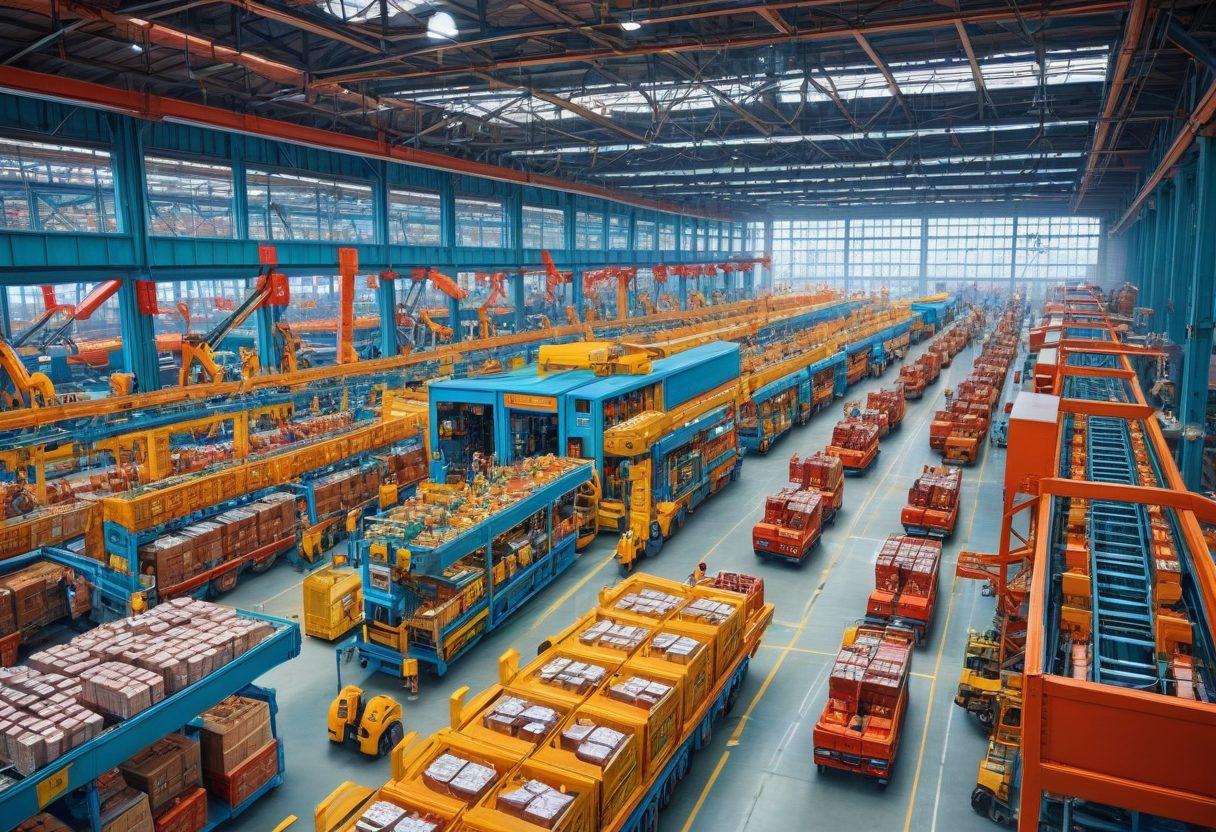
For example, 'China exports' have evolved from basic consumer goods to sophisticated products that carry with them state-of-the-art technology and design. Chinese factories are now a benchmark for efficient production, often leading in adopting cutting-edge technologies like AI and automation. The People’s Republic of China products are a testament to how far Chinese businesses have come. The 'China wholesale' market is booming, offering everything from customized electronics to luxury textiles that cater to diverse markets across the globe.
So, where do we go from here? With 'China's export sector' gaining momentum and 'China imports' continuing to diversify, the global market is poised for even more disruption. 'Chinese merchandise' is no longer just an economical choice; it represents quality and reliability. As we continue trading with China, it’s time to embrace this new reality: the age of 'Chinese-made products' is officially here, and it's shaping the global economy in ways we could have never imagined. Isn’t it high time we stopped underestimating the powerhouse that is China production and started recognizing it for what it truly is—a leader in global market trends?
From Factories to Global Markets: The Expanding Influence of China-Made Goods
Imagine a world without the ubiquitous tag, 'made in China.' From the toothbrush in your bathroom to the smartphone in your hand, Chinese products are woven into the fabric of our daily lives. The growing influence of China-made goods in the global market is nothing short of monumental. As one of the primary gears driving the machinery of the global economy, the story of China's economic ascent is akin to a modern-day fable of industrial triumph. Yet, how did the epic transformation of Chinese factories translate to such dominant global market presence?
What began as a flurry of factories in the 1980s has ballooned into an industrial juggernaut. With China manufacturing surging to become the world's producer, the very phrase 'made in China' embodies not just a stamp but an assurance of mass-scale, cost-efficient production. The intricate ballet of Chinese supply chains, bolstered by rapid technological advancements, has revolutionized the way Western markets operate. In fact, the President of Apple, Tim Cook, once remarked that it's not just about cheap labor. 'The products we want to make require advanced tooling and the gasoline to run this machinery is available in China,' he elucidated. Isn't it fascinating how a blend of economic policies and enterprising know-how turned China factories into the beating heart of global commerce?
The proliferation of Chinese brands is a compelling narrative of diversification and adaptability. Whether it’s consumer electronics, fashion, or automotive industries, the influence of Chinese goods is ubiquitous. For instance, Xiaomi, often dubbed the 'Apple of China,' has disrupted mobile phone markets worldwide with its high-spec yet affordable offerings. Similarly, the rise of Alibaba and JD.com as e-commerce giants underscores China’s shift from mere production hubs to innovation and retail powerhouses. Have you ever wondered about the synergy that propels these Chinese businesses forward? Perhaps it's the perfect cocktail of government support, relentless R&D, and a burgeoning middle class eager to consume 'China-made items.'
Of course, with great power comes great scrutiny. Companies and consumers alike are increasingly examining the ethical and environmental implications behind Chinese-made products. This scrutiny has precipitated somewhat of a renaissance among Chinese manufacturers, pushing them to adopt more sustainable practices and transparent supply chains. Take the case of NIO, an electric vehicle manufacturer hailed as the 'Tesla of China.' By integrating green energy solutions, they are redefining the future of mobility and setting new benchmarks globally. Can the transformation in Chinese commerce spark a ripple effect, encouraging responsible manufacturing on a global scale?
In conclusion, the ascent of China-made goods is a testament to the nation's unprecedented ability to scale, innovate, and lead. The story of 'made in PRC' is not just about economics; it's also a saga of ambition and resilience. As Chinese exports continue to flood global markets and China imports evolve to include more high-tech components, the influence of China trade is irrefutable. Trading with China has become a cornerstone of the global economy, enriching its tapestry in ways we are just beginning to unravel. In a world where Chinese merchandise pervades every nook and cranny, understanding this expanding influence becomes not just relevant but essential. What lies ahead in the tale of Chinese brands? As observers of this unfolding saga, one thing is certain: the best chapters are yet to be written.